





Tile Is Tough, Grout Is the Weak Spot
Ceramic and porcelain tile surfaces are extremely hard, stain-resistant, and waterproof. The tile itself rarely needs more than a simple sweep and mop. But grout is a different story.
Grout is porous and absorbs moisture, dirt, and stains over time. Keeping your grout sealed and clean is the single most important thing you can do to maintain your tile floors.
Quick Care Tips
Sweep Regularly
Sweep or vacuum (hard floor setting) a few times a week. Sand and dirt can scratch glazed tile and build up in grout lines.
Mop With Warm Water
A damp mop with warm water is usually all you need. For deeper cleaning, use a mild pH-neutral tile cleaner.
Seal the Grout
Apply a grout sealer every 1–2 years. Sealed grout resists staining and is much easier to clean.
Wipe Spills Quickly
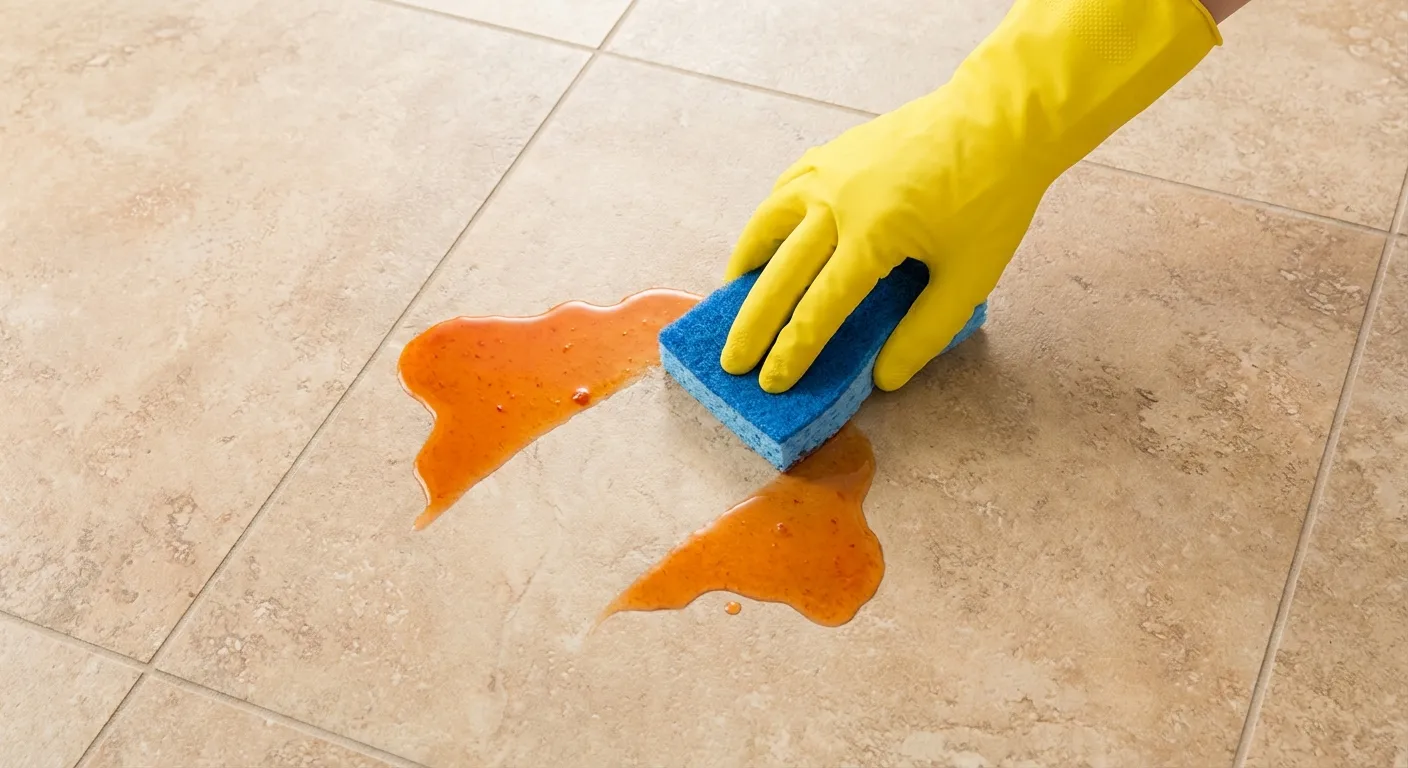
Tile is waterproof but grout isn't. Wipe up colored spills (coffee, wine, juice) quickly to prevent grout staining.
Detailed Care Guide
Regular Sweeping
Sweep or vacuum tile floors 2–3 times a week. Pay extra attention to grout lines where dirt accumulates. A soft-bristle broom works best.
Weekly Mopping
Mop with warm water and a few drops of pH-neutral tile cleaner. Avoid leaving standing water, mop in sections and dry as you go.
Deep Clean Grout
Every few months, scrub grout lines with a grout brush and a paste of baking soda and water. For stubborn stains, use an oxygen bleach solution (not chlorine bleach).
Seal Grout Annually
Apply a penetrating grout sealer once a year (or every 2 years for low-traffic areas). Test by dripping water on the grout, if it absorbs instead of beading, it's time to reseal.
Address Cracks Early
Cracked or missing grout lets water reach the subfloor. Repair grout damage promptly to prevent bigger problems like mold or loose tiles.
Things to Avoid
- Vinegar and acidic cleaners: acids etch natural stone tile and can degrade grout over time. Stick to pH-neutral cleaners designed for tile.
- Neglecting grout sealing: unsealed grout absorbs stains and moisture, leading to discoloration and potential mold growth underneath the tile.
- Abrasive tools on glazed tile: steel wool and scouring pads scratch the glazed surface permanently. Use soft brushes or microfiber pads instead.

Need Help With Your Tile Floors?
Get a free, no-obligation estimate. We'll come to you.